🚨 Malaysia Unveils Nur.AI: Pioneering Shariah-Compliant Artificial Intelligence to Lead Islamic Digital Transformation

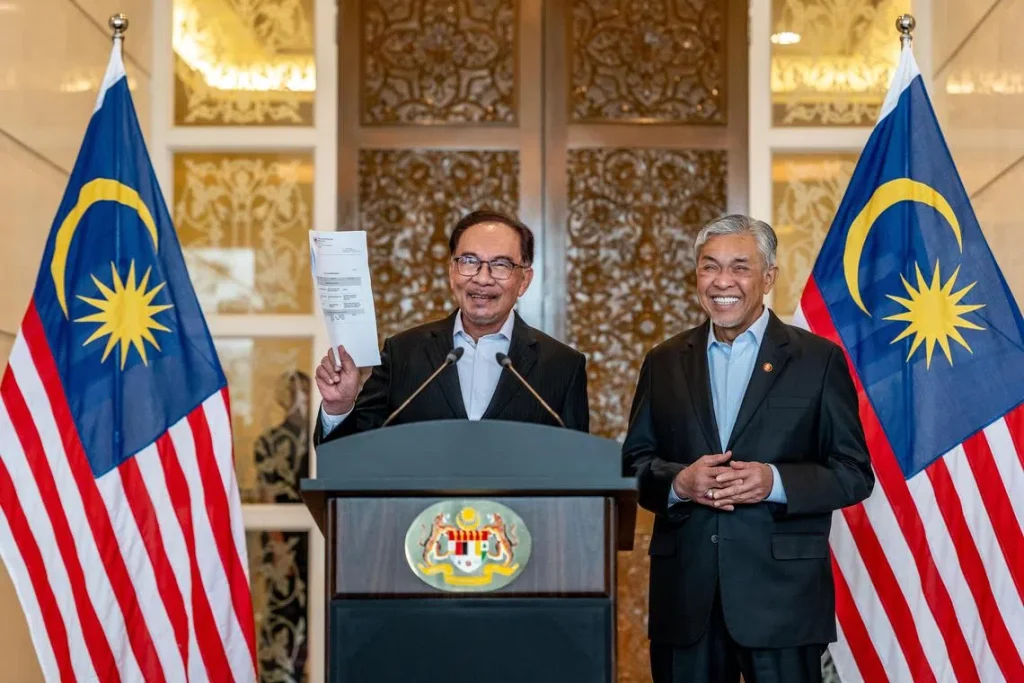
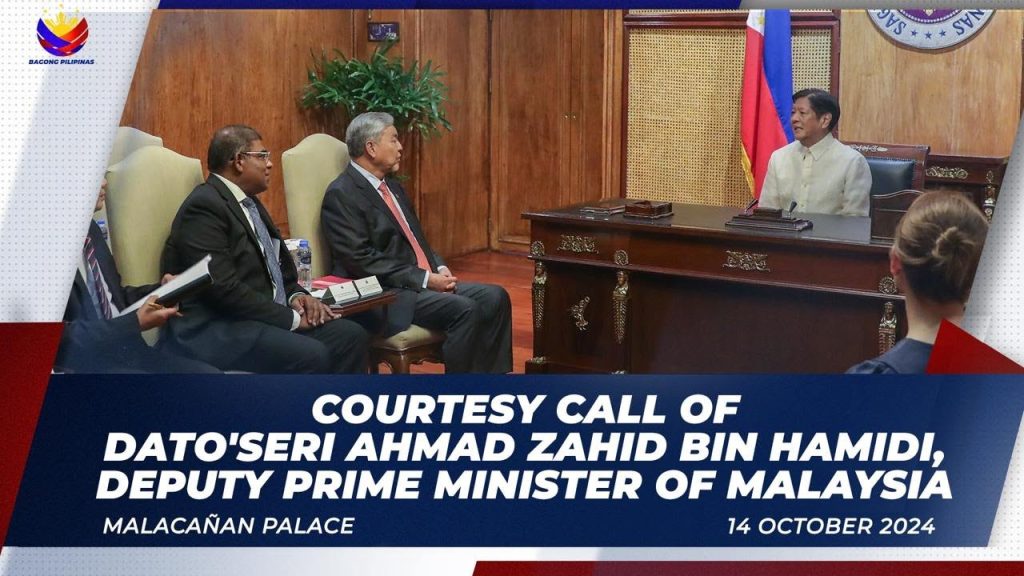
KUALA LUMPUR — Malaysia has taken a bold step toward becoming the Islamic world’s digital hub with the launch of Nur.AI, the world’s first Shariah-compliant artificial intelligence platform. Deputy Prime Minister Datuk Seri Dr Ahmad Zahid Hamidi announced that this innovation, developed by Zetrix AI Berhad, will not only strengthen Malaysia’s technology sector but also position the nation as a global leader in Islamic digital solutions.

Zahid emphasized that Malaysia’s reputation in halal certification, Islamic finance, and Shariah scholarship now extends into the AI era. He called on industries, educational institutions, and religious bodies to integrate Nur.AI, ensuring technology advances while remaining firmly rooted in Islamic values.

Nur.AI is designed to provide authentic Shariah-based guidance across diverse fields — from finance and healthcare to Quranic studies and Islamic philosophy. Zahid highlighted that this platform will help correct biases and inaccuracies found in Western AI systems, safeguarding the integrity of Islamic knowledge.

He envisions Malaysia as the global reference point for Shariah-compliant AI, with applications spanning mosque administration, zakat management, Islamic education, and international research collaborations.
Staying Energized and Healthy During Ramadan Fasting

Introduction

Ramadan is a sacred month observed by nearly two billion Muslims worldwide. It is a time of fasting, prayer, and reflection, often requiring long hours without food or drink. While fasting nurtures spiritual growth, it also challenges the body. With mindful preparation, hydration, and balanced nutrition, individuals can maintain energy and wellbeing throughout the month.

Health Considerations

  • Exemptions: Pregnant or breastfeeding women, frail older adults, menstruating women, and those with chronic illnesses may be exempt.
  • Medical Advice: People with conditions such as diabetes, heart disease, or kidney problems should consult a doctor before fasting.
  • Medication Risks: Some prescriptions require food or specific timing; dehydration can reduce their effectiveness.

Practical Tips for Healthy Fasting

1. Plan Ahead

  • Stock up on essentials before Ramadan.
  • Adjust meal times gradually to Suhoor (pre-dawn) and Iftar (sunset).
  • Reduce caffeine intake to avoid withdrawal headaches.

2. Stay Hydrated

  • Women: ~2.1 liters/day; Men: ~2.6 liters/day.
  • Avoid sugary or artificially sweetened drinks.
  • Include water-rich foods like cucumbers and watermelon.

3. Choose Nutrient-Rich Suhoor

  • Opt for slow-digesting foods: lean meats, fish, chickpeas, tofu, nuts, seeds.
  • Add whole grains, vegetables, fruits, and fermented foods.
  • Prefer grilling, steaming, or air frying over deep frying.

4. Practice Portion Control at Iftar

  • Begin with a date and water, then pray before continuing the meal.
  • Avoid overeating to prevent digestive discomfort and poor sleep.

5. Eat Mindfully

  • Focus on slow, distraction-free eating.
  • Limit processed foods high in sugar, salt, and fat.
  • Balance meals with fiber and protein to sustain energy

Conclusion

Ramadan is both a spiritual and physical journey. By planning ahead, staying hydrated, eating nutrient-rich meals, and practicing mindful eating, individuals can sustain energy and wellbeing while honoring the essence of fasting.

Advisory Panel of Singapore College of Islamic Studies Convenes First Meeting

A Milestone in Islamic Education

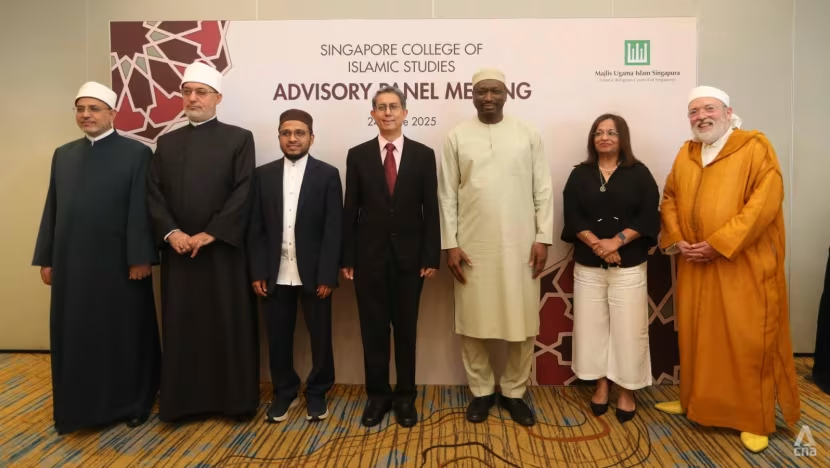
The Singapore College of Islamic Studies (SCIS) advisory panel held its inaugural meeting on June 24, 2025, marking a significant step in shaping the future of Islamic education in Singapore. The meeting brought together distinguished scholars and leaders from both local and international institutions.

Keynote Address

Acting Minister-in-charge of Muslim Affairs and chairperson of the advisory panel, Associate Professor Faishal Ibrahim, emphasized that the success of SCIS will be measured not only by the institution’s establishment but by the societal impact of its graduates. He highlighted the importance of integrating Islamic scholarship with contemporary disciplines to prepare students for leadership in a complex, interconnected world.

Addressing Gaps in Knowledge and Skills

Singapore’s Mufti, Dr Nazirudin Mohd Nasir, pointed out that many students who pursue Islamic studies abroad face challenges in adapting their knowledge to Singapore’s unique multiracial and multireligious context. He stressed the need for SCIS to bridge these gaps by balancing traditional scholarship with contextual relevance, ensuring graduates are equipped with both religious depth and practical competencies.

Distinguished Panel Members

The advisory panel includes prominent figures such as:

  • Professor Tan Tai Yong, President of Singapore University of Social Sciences (SUSS)
  • Professor Lily Kong, President of Singapore Management University (SMU)
  • Professor Mona Siddiqui, University of Edinburgh
  • Dr Nazir Mohmaed Ayyad, Grand Mufti of Egypt
  • Dr Salama Dawood, President of Al-Azhar University
  • Professor Driss Fassi Fihri, Vice-President of Al-Qarawiyyin University
  • Professor Dr Abdul Rahman Alkilani
  • Professor Koutoub Moustapha Sano, Secretary-General of the International Islamic Fiqh Academy

Academic Pathways

SCIS will offer full-time undergraduate programmes with two tracks:

  • Islamic Studies: Focused on applying Islamic traditions in modern contexts.
  • Social Sciences: Designed to build vocational skills such as social work and counselling.

Partnerships with SUSS and international Islamic institutions will ensure robust curriculum development. The first intake of 60 students is scheduled for 2028 at MUIS’ learning campus near Bencoolen Mosque.

Looking Ahead

Assoc Prof Faishal expressed confidence that SCIS graduates will emerge as scholars and leaders who understand both Islamic principles and Singapore’s diverse social fabric, serving as bridge-builders in a plural society.

🕌 Al-Firdaus Mosque in Choa Chu Kang to Make Way for Redevelopment; New Mosque in Tengah to Carry Its Legacy

28 November 2025
By Darcel Al Anthony, Singapore

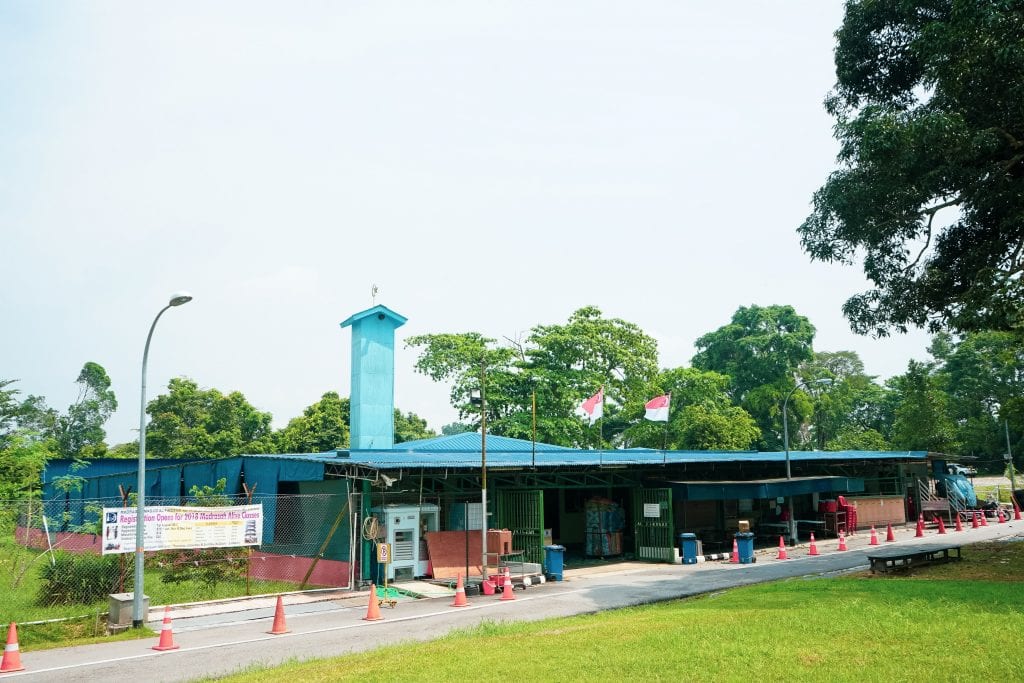
The Al-Firdaus Mosque in Choa Chu Kang, which has served the Muslim community for 63 years, will eventually close as part of redevelopment plans in the area. A new mosque in Tengah will be built to adopt its name, ensuring the legacy continues for future generations, the Islamic Religious Council of Singapore (MUIS) announced.

Acting Minister-in-charge of Muslim Affairs Faishal Ibrahim shared the news during Friday prayers at Al-Firdaus Mosque, noting that the site sits on land earmarked for long-term redevelopment.

📅 Timeline

  • Design phase: Begins in 2027.
  • Completion: Early 2030s.
  • Capacity: Larger facilities to serve congregants from Tengah, Bukit Batok, and Choa Chu Kang.

🏛 Preserving Heritage

The new mosque will be named Al-Firdaus to honour the original’s role in the community. MUIS said the decision was made in consultation with the mosque’s management board, allowing future generations to appreciate its significance.

A committee of stakeholders from Al-Khair, Al-Firdaus, and Ar-Raudhah mosques will oversee the project, following a collaborative model similar to Tampines North mosque development.

🌍 National Context

Prime Minister Lawrence Wong announced earlier this year that new mosques will be built in Tengah and Tampines, reflecting Singapore’s commitment to meeting the needs of growing Muslim communities in new towns.

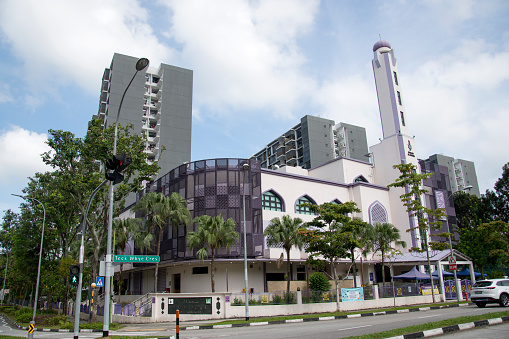
Singapore- 14 Nov, 2020: View of the Al-Khair Mosque, a mosque in Choa Chu Kang, Singapore. It was founded in the early 1960s

✨ Sacred Islamic Treasures Displayed at Scunthorpe Museum

4 December 2025
By Amanda White, Scunthorpe

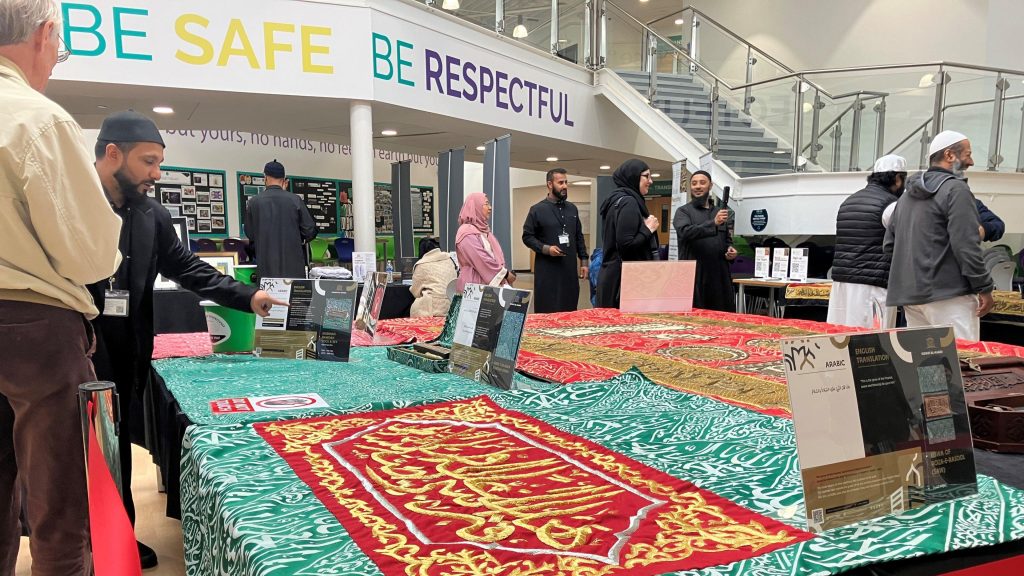
Rare and sacred Islamic artefacts, some dating back centuries, have gone on public display at the North Lincolnshire Museum in Scunthorpe.

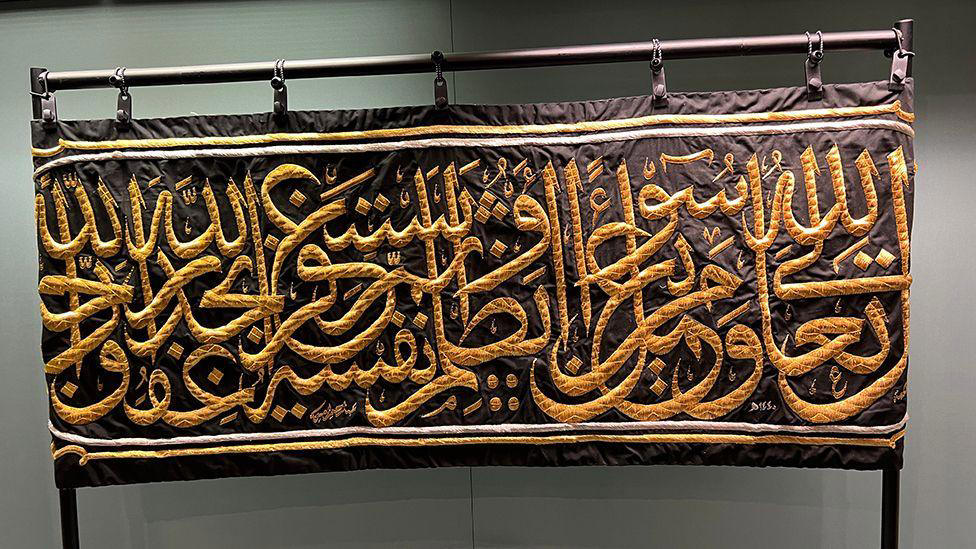
The exhibition features items that were once only accessible to pilgrims visiting Mecca, including a key to the resting place of the Prophet Muhammad and a rare Kiswa cloth — the ornate black and gold covering of the Kaaba, Islam’s holiest site.

🌍 A Universal Invitation

Organisers say the display is open to people of all faiths, offering a chance to connect through history, beauty, and craftsmanship.

Abid Khan, from the North Lincolnshire Multi-Faith Partnership, described the exhibition as deeply moving for those who have made the pilgrimage to Mecca:
“When you’re there, there are millions of people, the hustle and bustle. In here, you can touch it and it brings back all those memories.”

Many of the artefacts are embroidered with 22-carat gold thread, showcasing the extraordinary skill and devotion of Islamic artisans.

🔑 Highlights of the Exhibition

  • A lock and key from the Kaaba, inscribed with Arabic calligraphy.
  • The Kiswa cloth, traditionally replaced each year in Mecca.
  • Other rare devotional items preserved for generations.

🏛️ Organisers and Support

The event is organised by the Kiswa Arts and Culture Gallery in partnership with the North Lincolnshire Multi-Faith Partnership, with support from North Lincolnshire Council and the National Lottery Heritage Fund.

The exhibition runs until 6 December, with free admission for all visitors.

🇦🇹 Austria Bans Headscarves in Schools for Girls Under 14

11 December 2025
By Bethany Bell, Vienna

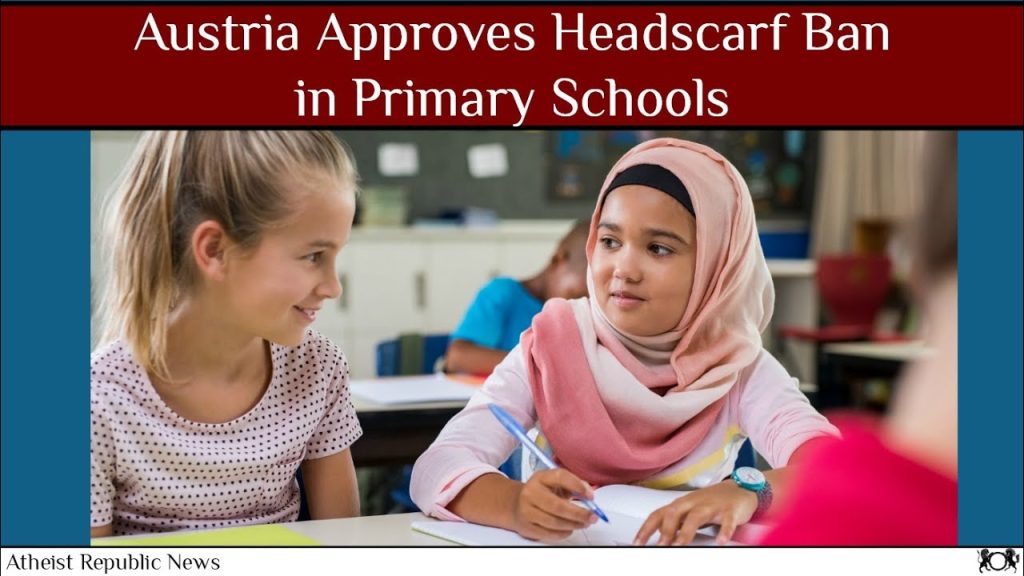
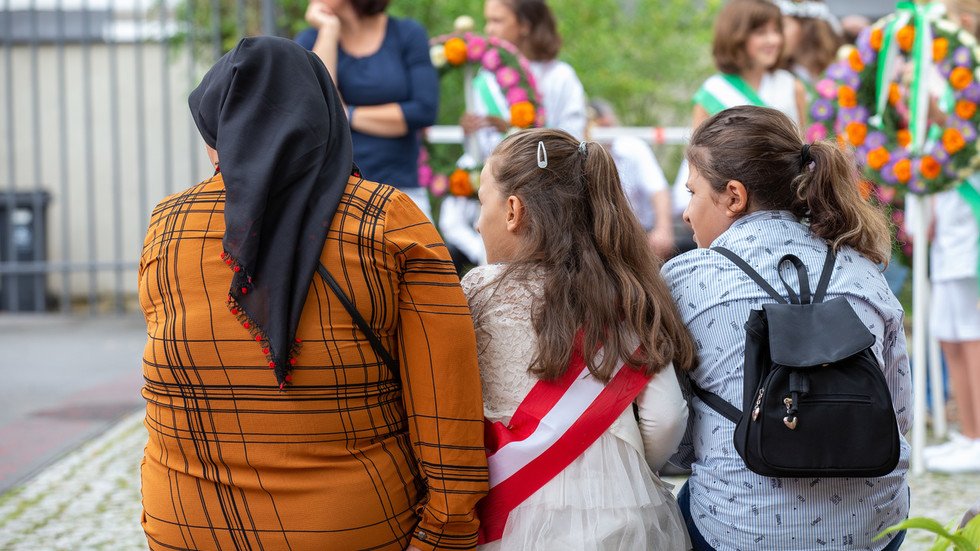
Austria has passed a law banning headscarves in schools for girls under the age of 14, a move the government says is aimed at promoting gender equality but which critics warn could be unconstitutional and fuel anti-Muslim sentiment.

The measure, approved by the coalition of the ÖVP, SPÖ and Neos parties, applies to both public and private schools. It forbids “traditional Muslim” coverings such as hijabs and burkas.

⚖️ Enforcement

  • Students who break the rule must attend discussions with school authorities and guardians.
  • Repeated violations will be reported to child welfare agencies.
  • Families could face fines of up to €800 (£700).

🗣 Supporters vs. Critics

  • Government stance: Officials argue the law empowers girls and protects them “from oppression.”
  • Neos leader Yannick Shetty: “It is not a measure against a religion. It is a measure to protect the freedom of girls in this country.” He estimated the ban will affect around 12,000 children.
  • Far-right FPÖ: Supported the ban but demanded a wider prohibition for all pupils and staff.
  • Opposition Greens: Called the law “clearly unconstitutional.”
  • Islamic Community in Austria (IGGÖ): Condemned the measure, warning it will stigmatize Muslim children and pledged to challenge it in court.

📜 Legal Background

A similar ban for girls under 10 was struck down by Austria’s Constitutional Court in 2020, which ruled it discriminatory against Muslims. Critics argue this new law risks the same fate.

📅 Implementation Timeline

  • Trial period: February 2026 (awareness-raising phase).
  • Full enforcement: September 2026, at the start of the new school year.

Moonsighting Academy Launches to Unite UK Muslims Through Science and Tradition

11 January 2026
By Jack Conlon, Yorkshire

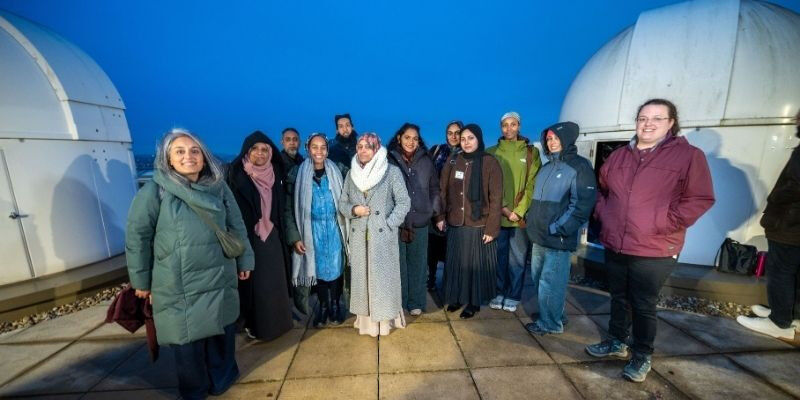
A pioneering project at the University of Leeds is training Muslim community leaders across the UK in the centuries-old practice of moonsighting, aiming to resolve long-standing disputes over the Islamic calendar.

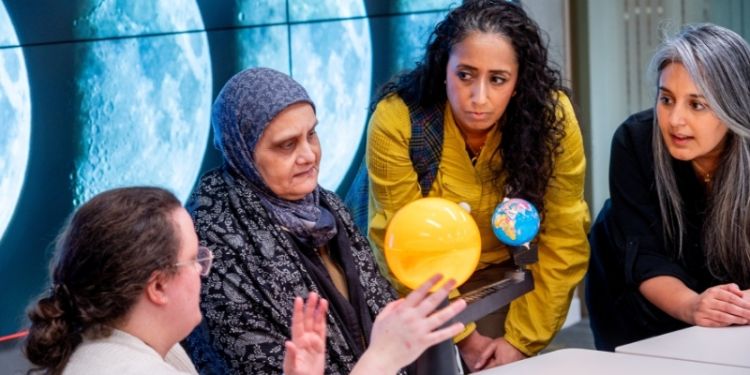
The Moonsighters Academy, developed in partnership with the New Crescent Society and the University of Cambridge, is the first course of its kind in Britain. Over nine months, 38 participants — including imams, teachers, artists and business owners — will learn how to observe the crescent moon using modern telescopes and traditional methods.

Moonsighting has historically determined the start of Islamic months, including Ramadan and Eid. However, cloudy weather in Britain has led many mosques to rely on reports from countries such as Saudi Arabia and Morocco. This reliance has often caused divisions, with communities celebrating religious events on different days.

Project coordinator Imad Ahmed said the initiative seeks to “bring the moon back home and into our own eyesight,” adding: “I want to go from moon fighting to moonsighting and moon uniting.”

Participants will use the University of Leeds’ rooftop observatory and advanced 35cm telescopes. Dr Emma Alexander, astronomer and project co-lead, said the programme highlights the cultural importance of astronomy: “It’s about sparking curiosity and showing how different communities interact with our night sky.”

For many, the course is also personal. Aliyah Khan, a science teacher, explained: “Growing up, our mosques never agreed on dates for Ramadan or Eid. It was isolating. This project bridges scientific knowledge with Islamic practice.”

The Academy began in December and will run until autumn, with hopes that local moonsighting will reduce confusion, strengthen unity, and revive the Islamic tradition of astronomy in Britain.

Town Down to ‘Final Space’ for Muslim Burials

By Abigail Marlow, Local Democracy Reporting Service
Published 8 hours ago

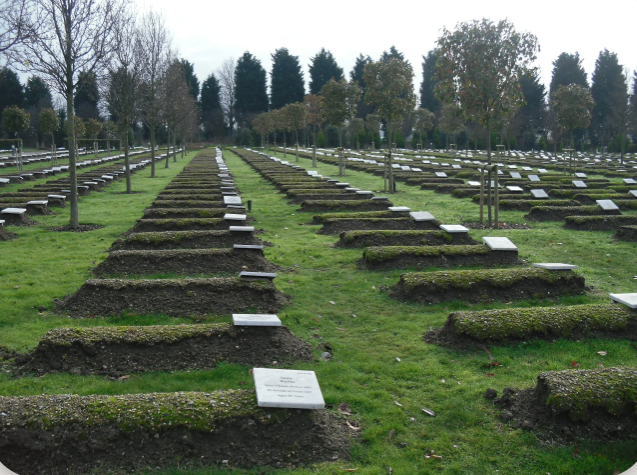
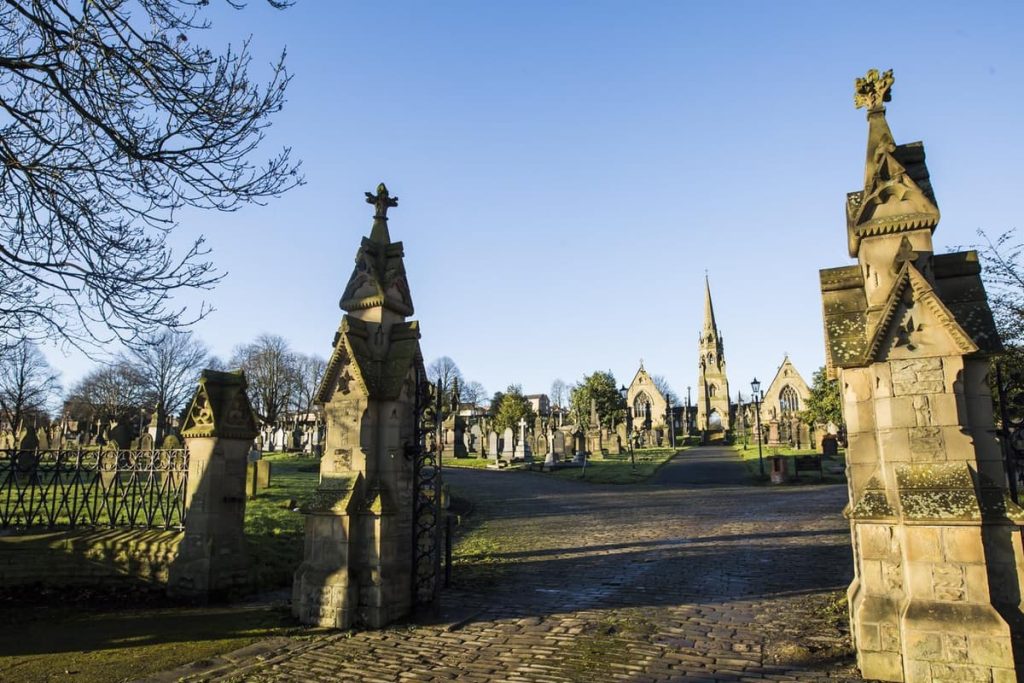
Councillors have warned that the shortage of burial plots for Muslims in Dewsbury has been building for years, with the cemetery now reported to be down to its final available space.

Despite these concerns, Kirklees Council has denied that burial capacity is at risk of running out, stressing that funds have been set aside to expand provision across North Kirklees.

According to a local funeral service, Dewsbury Cemetery reached its last remaining plot for Muslim burials over the weekend. Community Alliance councillor Ammar Anwar described the situation as “nothing short of a scandal,” after Council Leader Carole Pattison admitted last week that only “one or two” plots remained.

The issue was raised during a council meeting by councillor Cathy Scott, who questioned where families would be expected to bury their loved ones.

Pattison responded:

“There is sufficient burial space in North Kirklees. It is true that Muslim space in Dewsbury Cemetery is running out, but there is £500,000 ringfenced to establish more burial spaces. Some of that has already been used to extend plots, but the majority remains available.”

She added that negotiations are ongoing with private owners of burial grounds in Dewsbury, which should soon provide additional capacity. Longer-term plans are also being developed to ensure sustainable provision.

Pattison emphasized that rumours of a complete lack of burial space were unfounded:

“It is not true to say there are no spaces for burials in North Kirklees for Muslims or for anybody else of any or no faith.”

The council maintains that while Dewsbury Cemetery is critically short, North Kirklees as a whole still has capacity, and efforts are underway to secure more dedicated plots for Muslim burials.

India’s Mosque Profiling in Kashmir Raises Surveillance Concerns

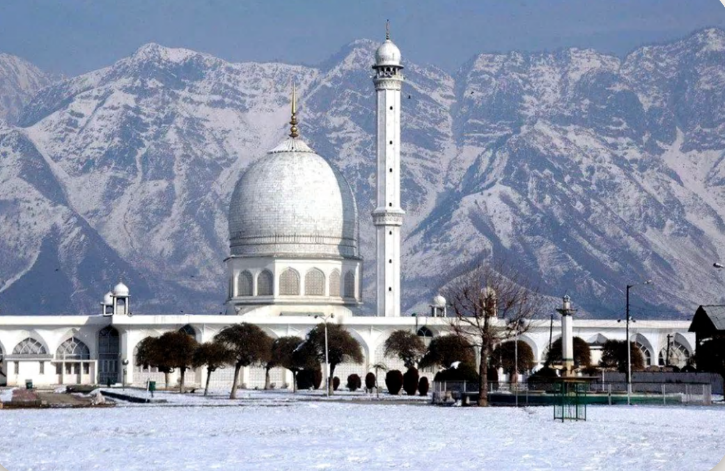
India is collecting detailed information on mosques in Kashmir, sparking fresh concerns about surveillance, Residents say the police initiative feels less like a routine data-gathering exercise and more like an effort by the state to assert control over the region’s religious institutions.

Mohammad Nawaz Khan wishes his father, Sanaullah Khan, a retired government employee, had never agreed to lead the managing committee of their neighborhood mosque in Srinagar, the capital of Indian-administered Kashmir.

Khan’s concerns grew earlier this month when police began distributing a four-page document titled “profiling of mosques” to religious administrators, raising fears of heightened monitoring and accusations of discriminatory policies in the Muslim-majority disputed region.

One page of the form requests information about the mosque including its “ideological sect,” founding year, funding sources, monthly expenses, congregation capacity, and the ownership status of the land on which it stands.

The remaining three pages demand personal information about mosque staff including imams, muezzins and khatibs such as their phone numbers, email addresses, passport numbers, credit cards, bank accounts, and more. Other questions ask whether they have relatives overseas, which “outfit” they are affiliated with, and even the model of their mobile phone and their social media accounts.

A similar form has reportedly been issued to those running local madrasas (religious schools) in the region.

“This is not a place where you can live in peace. Every now and then, we are asked to fill one form or another,” said Nawaz, 41, speaking to Al Jazeera from his grocery shop in Srinagar’s Jawahar Nagar area.

UK, Canada, Australia Formally Recognize Palestinian State in Coordinated Move

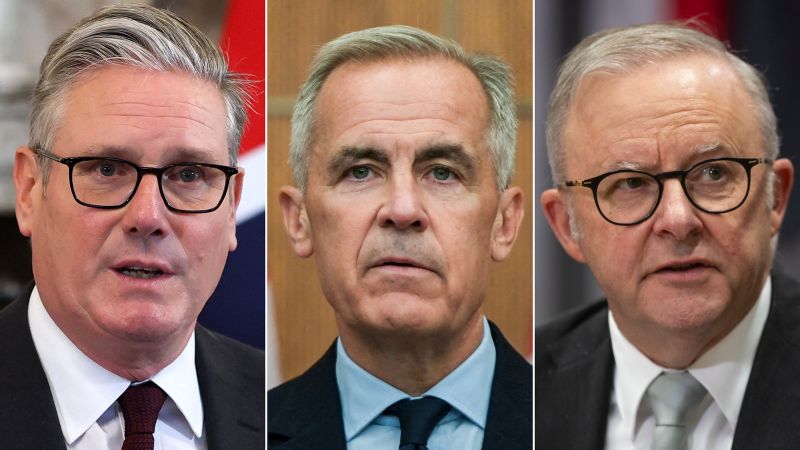
In a significant diplomatic shift, the United Kingdom, Canada, and Australia have simultaneously announced their formal recognition of a Palestinian state. The coordinated move is described by the nations as a crucial step towards a renewed peace process in the Middle East.

In a video statement released on social media, UK Prime Minister Keir Starmer stated the decision is intended to keep “alive the possibility of peace” and a two-state solution. He emphasised that the UK would continue to work for the release of Israeli hostages held by Hamas, saying, “We will keep fighting to bring them home.”

The announcement was met with immediate and fierce condemnation from Israeli leadership. Prime Minister Benjamin Netanyahu, in his own video address, accused the three nations of “giving a huge reward to terrorism” and vowed that such a state “will not happen.”

The move deepens the diplomatic isolation of Israel following its military offensive in Gaza. The recognition is largely symbolic but carries political weight, increasing international pressure on Israel to return to negotiations. Other Israeli politicians from governing coalition parties have echoed Netanyahu’s outrage, labelling the decision a “grave error” that undermines Israel’s security.

Palestinian officials have welcomed the announcements as a vindication of their long-standing quest for statehood. The recognitions align with a growing consensus among European and other Western nations that a two-state solution is the only viable path to lasting peace.